Baby 1st Christmas Embroidery PNG Review for Real Projects
As an embroidery designer and product reviewer with years of experience, I always approach a new machine embroidery design like the Baby 1st Christmas Embroidery PNG with both curiosity and caution. It's not just about how cute it looks on screen—it’s about how well it translates into real-world stitching and whether it fits the practical needs of various embroidery projects. This design caught my eye because of its thematic appeal and emotional resonance, but let’s dig deeper into what makes it work—or not work—for different use cases.
First Impressions: A Heartfelt Design for a Milestone Moment
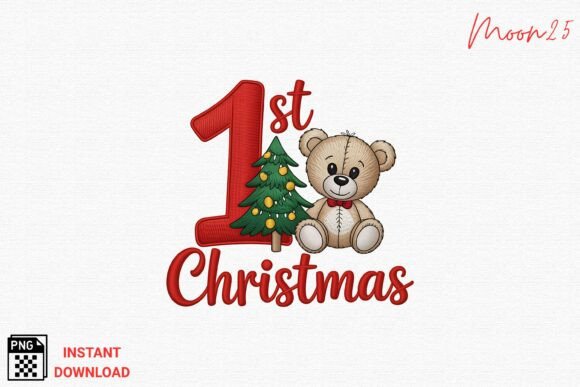
The Baby 1st Christmas Embroidery PNG features a charming composition: a soft-looking teddy bear nestled beside a small, decorated tree, all set against a cozy background. The layout is balanced and visually inviting, which immediately tells me this could be a great fit for personalized gifts or holiday-themed handmade products. The theme is warm and nostalgic, perfect for celebrating a baby’s first Christmas. As someone who values storytelling in designs, I appreciate how this one conveys sentiment without being overly busy or complicated.
From a design standpoint, the shapes are clean and the elements are arranged in a way that suggests a front-and-center placement. That means it works best when you want the design to be the main attraction rather than tucked away as a subtle accent. The detail level feels moderate—enough to add charm but not so intricate that it becomes overwhelming. This is good news for most embroidery files, especially if you're looking for something that will stitch reliably across different machines and fabric types.
Real-World Application: What Works Best?
I recently tested this design while preparing custom embroidered tote bags for a local boutique’s holiday collection. The results were encouraging. The teddy bear and tree stitched clearly, maintaining their shape and visual appeal even after several washes. The design also translated well onto sweatshirts, where it added a touch of warmth and whimsy to a more casual piece. Because of its gentle lines and familiar imagery, it felt at home in a variety of holiday embroidery applications.
- Baby clothes: The design adds a festive yet comforting feel, making it ideal for onesies, hoodies, or blankets meant to commemorate a child’s first holiday season.
- Tote bag design: When placed near the top corner or centered on a cotton tote, it becomes a focal point that customers can easily recognize and appreciate.
- Nursery decor: With minor adjustments, such as reducing scale or simplifying stitch density, this could become a darling addition to pillow covers or wall hangings.
- Embroidered patch: If converted into a patch format, the design would look great on backpacks, jackets, or even as part of a larger quilt panel.
For Etsy sellers and craft business owners, this design could serve as a strong seasonal offering. It has enough personality to stand out but remains versatile enough to adapt to multiple product categories. In a printable mockup setting, the image quality is high enough to showcase the final result effectively, which helps in boosting buyer engagement before they purchase the digital embroidery file.
Where to Use with Caution
While the Baby 1st Christmas Embroidery PNG is adaptable, there are some situations where you might need to adjust your approach or reconsider using it altogether.
- Small hoop sizes: The design may require trimming or resizing to fit within smaller hoops, and doing so could risk losing important details like the facial expressions on the teddy bear.
- Textured fabrics: Stitch clarity can suffer on flannel, corduroy, or other thick materials. Be prepared to experiment with stabilizers or reduce stitch density slightly.
- Thin or stretchy fabric: These materials may cause distortion or puckering, especially around curved areas like the bear’s ears or the tree trunk. Using a cutaway stabilizer underneath can help prevent this.
- Dark fabric backgrounds: Thread color contrast is key here. Light-colored threads pop better on darker bases, but you’ll need to review the thread colors included in the design to ensure visibility.
- Curved surfaces (e.g., caps): Placing this design on a curved surface could warp the layout unless you’re careful with scaling and positioning.
Also, keep in mind that frequent washing—especially for baby items—can affect the longevity of the embroidery. While the design holds up reasonably well, it's always wise to reinforce delicate areas or test it on scrap fabric before mass production.
Design Impact on Visual Appeal and Branding
This design brings a sense of warmth and celebration to any handmade product. It’s particularly effective in gift-based items like personalized gifts or holiday gifts, where the emotional value of the item plays a big role. The teddy bear adds a playful element, while the tree gives it a classic holiday feel. Combined, these visuals create a strong sense of giftability and nostalgia, which can significantly enhance customer trust and perceived product value.
When used in a craft business context, the design supports brand consistency by reinforcing themes of personalization and care. For small shop product lines, it can be a consistent asset during the December rush, helping buyers quickly identify and connect with the item’s purpose.
Designer Notes for Practical Use
Here are some quick tips based on my hands-on testing and past experiences:
- Test on scrap fabric first: Especially if you plan to use it on stretchy or textured materials. See how the stitches hold up and adjust stabilizer or tension accordingly.
- Check thread color contrast: Make sure the colors work well with your chosen fabric. You may need to tweak the palette for optimal visibility.
- Review stitch density: Dense areas like the tree branches or the bear’s body can cause puckering if not managed carefully. Consider reducing density slightly for lighter-weight materials.
- Confirm hoop size: If the design doesn’t specify a recommended hoop size, check your machine’s compatibility and allow for extra space around the design for seam allowances or finishing touches.
- Inspect small details: The bear’s eyes and ornaments on the tree are delicate. On very small formats, these may become indistinct or lose their charm.
- Use proper stabilizer: A tear-away or cutaway stabilizer is essential for ensuring smooth stitching, especially on stretchy or thin fabrics.
- Test black and white mockups: Before finalizing your project, see how the design looks without color. This can help you spot potential issues with contrast and legibility.
- Compare light and dark fabric backgrounds: Not all thread colors show up equally well. Test both scenarios to understand how the design behaves.
- Check licensing before selling: If you plan to sell finished products or digital assets, confirm the design’s commercial license terms to avoid legal issues later.
Final Thoughts from a Designer’s Perspective
Overall, the Baby 1st Christmas Embroidery PNG is a solid choice for those looking to add a meaningful and visually appealing design to their embroidery project. It performs well on standard apparel items and can be adapted to many other Graphics and T-Shirt Designs with some thoughtful tweaks. However, it’s not a one-size-fits-all solution. Its success depends heavily on fabric choice, hoop size, and how much customization you're willing to do to make it work in specific contexts.
If you're an embroidery designer or creative entrepreneur, I recommend giving this design a trial run on a few different materials before committing to large batches or client orders. It’s a design that leans into sentimentality and charm, and if handled right, it can elevate your handmade product offerings during the holiday season and beyond.